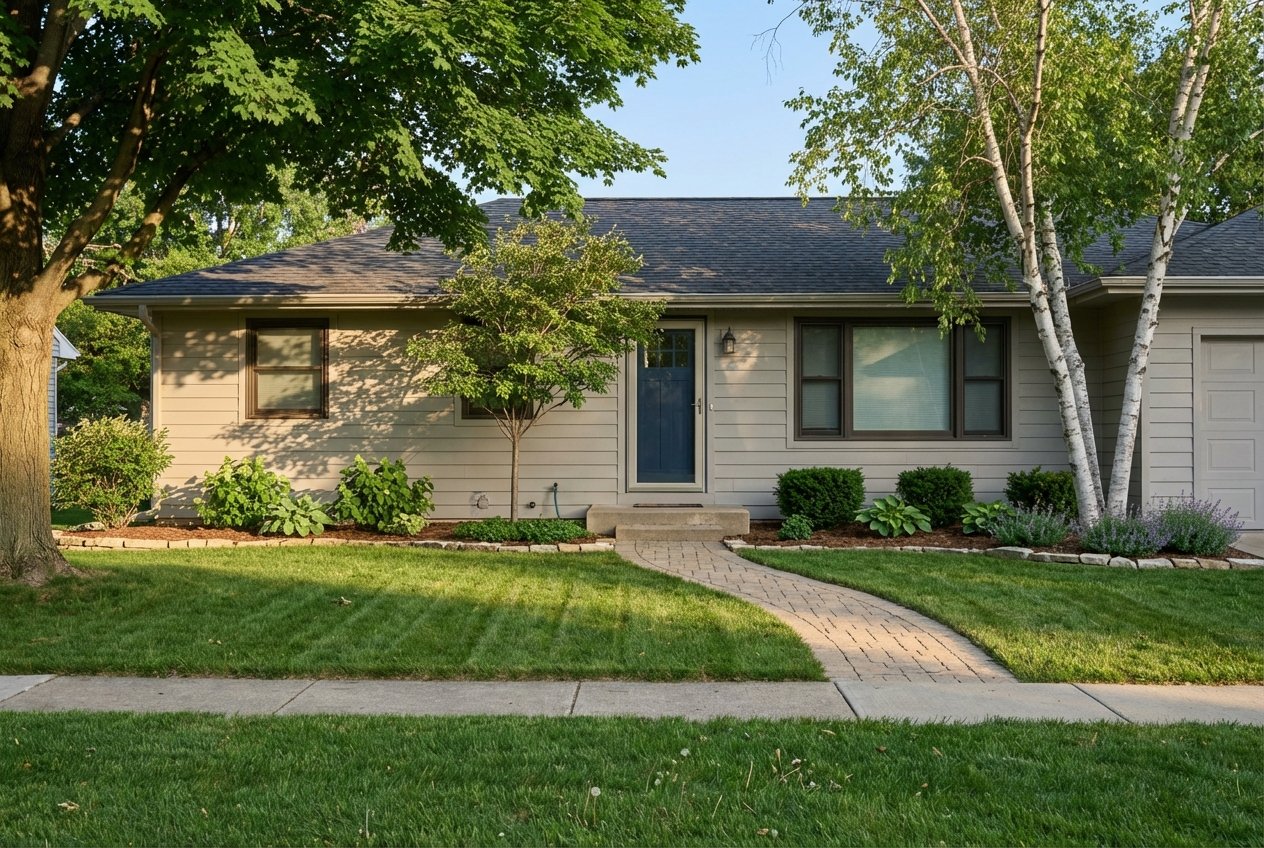
Trying to figure out which part of Montague fits your lifestyle best? You have great options, from a walkable downtown to White Lake marina communities to quiet acreage north and east of town. In this guide, you’ll get a clear, side‑by‑side look at home styles, price bands, and daily life in each pocket so you can focus your search with confidence. Let’s dive in.
Why Montague works for many lifestyles
Montague is a small lakeside city at the southern end of White Lake with about 3.1 square miles and a close‑knit population of roughly 2,400 residents. You get a compact town center, direct access to boating on White Lake, and quick connections to open country in the surrounding townships. That mix creates three distinct living experiences: downtown, lakefront, and rural acreage. If you want the stats and basics, the city overview on Wikipedia’s Montague page is a helpful starting point.
White Lake is a major lifestyle driver. Marinas, events, and the channel to Lake Michigan draw boaters and summer visitors. The paved Hart–Montague Trail ends in the Montague and Whitehall area, which makes cycling and walking easy. Downtown offers local shops and the Montague Branch of the Muskegon Area District Library, a shared hub with City Hall that hosts programs and community events you can explore on the library’s location page.
Below, you’ll find what to expect in each pocket, including typical home styles, ballpark pricing, and lifestyle notes.
Pocket A: Downtown Montague
Who it fits
Choose downtown if you value a small‑town, year‑round feel with quick access to shops, the library, and town events. You’re close to White Lake, marinas, and the trail without giving up an easy daily routine. This pocket appeals to many buyers who want short drives, walkability, and an active community calendar.
What you’ll find
Housing here leans older and classic: early to mid‑20th‑century bungalows, modest two‑story homes, and some renovated properties. Lot sizes are smaller than in the townships, and utilities vary by block. Some addresses have city services while others may have well and septic, so verify utility details on each listing.
Typical price ranges
- Entry to mid market for in‑town homes often falls in the low to mid $100ks up to the low $200ks, depending on size and condition.
- Larger or renovated homes commonly range from about $200k to $350k.
These are illustrative ranges. Portal medians show the overall ZIP in the mid $200ks when lake properties are included, but block‑level pricing is best confirmed with fresh MLS comps.
Everyday life
From a Saturday farmers market to library programs, your day can stay local and simple. The Hart–Montague Trail is nearby for biking or a sunset walk. You’re within minutes of White Lake launches, yet you keep the convenience of a compact town center.
Pocket B: White Lake and Old Channel
Who it fits
Pick the White Lake shoreline or marina neighborhoods if boating or water access is your top priority. These areas include Old Channel Trail, Indian Bay, Ellenwood Landing, and nearby condo or dockominium communities. Summer activity is a highlight, and many owners use homes seasonally or as second residences.
Home types
You’ll see year‑round lake homes, mid‑century cottages, updated custom builds, marina condos, and dockominium ownership in select communities. Some complexes are gated with association amenities. Others are standalone houses with private docks or access to marina services. For a sense of one marina community, review the overview for Ellenwood Landing.
Price ranges
- Smaller cottages or non‑prime access options often land around $200k to $400k.
- Upscale or remodeled lakefront with private dock or a large slip can reach $400k to $1M+ depending on site, water depth, and proximity to the channel.
Waterfront values shift quickly with location, frontage, and slip details, so use these as guideposts only. Always verify with recent, like‑kind lakefront comps.
Marina and HOA notes
Marina communities and associations each set their own rules. Some include slip ownership, while others lease or assign slips with transfer limits. Before you write an offer, call the marina or HOA to confirm slip availability, seasonal fees, and any transfer restrictions. The White Lake visitor guide is a good orientation to marinas and seasonal events.
Lake buyer checklist
- Confirm the municipality. City, Montague Township, White River Township, and neighboring jurisdictions carry different tax rates, building rules, and utility setups.
- Review FEMA flood maps. Use FEMA’s Michigan page to find the map viewer, then check your parcel’s zone and elevation. Start with FEMA’s Michigan community resources.
- Verify slip ownership and transfer rules. Ask for HOA documents and fee schedules, then confirm any restricted transfers with the marina office.
- Plan for winterization. Budget for dock removal or storage, boat winterization, and shoreline maintenance.
- Check short‑term rental rules. City and township ordinances, plus HOA bylaws, may limit rental frequency or require permits.
Pocket C: Townships and acreage
Who it fits
If you want space, privacy, or room for a hobby farm, look to Montague Township and White River Township. These areas trade density for land and a quieter setting, with easy county road access. Many buyers here prioritize outdoor recreation, orchards, and a slower daily pace.
Home types
Expect classic farmhouses, ranches, newer rural construction, and occasional small subdivisions or buildable lots. Utility arrangements vary. Many properties use well and septic, and prices reflect acreage, outbuildings, and updates.
Price ranges
- Modest rural homes can list under $200k.
- Updated country homes or acreage properties commonly run from about $300k to $600k.
Exact pricing depends on land size, condition, and location relative to city services. Use nearby sold acreage comps to validate your offer.
Commutes and access
Most township addresses have an easy approach to US‑31 for regional travel. Montague sits about 15 to 20 miles from Muskegon, roughly a 20 to 30 minute drive depending on your route. For planning purposes, you can review approximate drive times using this Montague to Muskegon distance tool. Grand Rapids is about 50 to 60 miles away, often 55 to 75 minutes depending on traffic.
Schools, utilities, and boundaries
School assignment matters to many buyers and can influence value near campuses. Montague Area Public Schools serves the city and parts of the surrounding townships. For boundary maps and district contacts, start with the Montague Area Public Schools site.
Municipal lines matter for utilities, building rules, and taxes. Many lake properties and larger lots fall outside the city. Verify whether a home is in Montague city limits, Montague Township, or White River Township before you finalize your budget. The White Lake Area Chamber page for Montague Township provides a helpful civic overview.
Making sense of prices and medians
Online portals often publish ZIP‑level medians that place the Montague area in the mid $200ks. That aligns with a modest small‑town market where lakefront homes create a higher tier above in‑town properties. Remember, portals use different methods and blend the city and townships. If you want block‑level accuracy, request a short set of recent sold comps that match your specific pocket and home type.
When you compare options, anchor your view with three data points: a recent lakefront sale or two, the broader ZIP median, and a recent in‑town sale near your target streets. That trio will help you understand the spread between everyday city homes, seasonal or premium lakefront, and acreage properties.
How to choose your best fit
Use this quick checklist to focus your search:
- Lifestyle first. Decide if you want walkability, boating and marina access, or land and privacy.
- Utilities and rules. Confirm city water or well, sewer or septic, HOA or none, and any rental restrictions.
- Budget clarity. Pair portal medians with 3 to 5 recent sold comps for your micro‑area and home type.
- Ownership costs. Ask about flood zones, slip fees, winterization, and outbuilding maintenance.
- Commute and access. Test drive your route to US‑31, Muskegon, and Grand Rapids at your typical time of day.
Ready for tailored guidance and on‑the‑ground data for your exact block or shoreline? Reach out to Tricia Carlson for a free neighborhood market consultation and a focused plan for your next move.
FAQs
What are the main ways to live in Montague, MI?
- You can choose downtown for walkability and events, White Lake shoreline for boating and marina access, or the surrounding townships for acreage and privacy.
How much do homes in downtown Montague usually cost?
- In‑town homes often range from the low to mid $100ks into the low $200ks, with renovated or larger properties commonly around $200k to $350k, depending on size and condition.
What should I know about buying on White Lake or Old Channel?
- Verify slip ownership and transfer rules, check FEMA flood maps, confirm the exact municipality for taxes and utilities, and budget for winterization and shoreline upkeep.
Are short‑term rentals allowed in Montague?
- Rules vary by city or township and by HOA. Confirm local ordinances and association bylaws before you plan on seasonal rental income.
How long is the commute from Montague to Muskegon or Grand Rapids?
- Muskegon is roughly 20 to 30 minutes by car depending on route and traffic. Grand Rapids is often about 55 to 75 minutes based on conditions.
Which school district serves Montague and nearby areas?
- Montague Area Public Schools serves the city and parts of surrounding townships. Visit the district site for boundary questions and contacts.